
What happens when the person who’s been holding your business together for 20 years decides it’s time to leave?
Most business owners know that day will eventually come. Yet far too many wait until it happens to figure out what comes next. And by then, their options are already limited.
I was thinking about this earlier this month while Dave and I were in Tuscaloosa visiting our daughter Ava, who’s in her senior year at the University of Alabama. We were there for the Alabama-Georgia game. Unfortunately, Alabama lost 20-17, and don’t even get me started on that missed pass interference call near the end! Clearly, I’m still not over it. But questionable officiating aside, being back at Alabama got me thinking about something bigger.
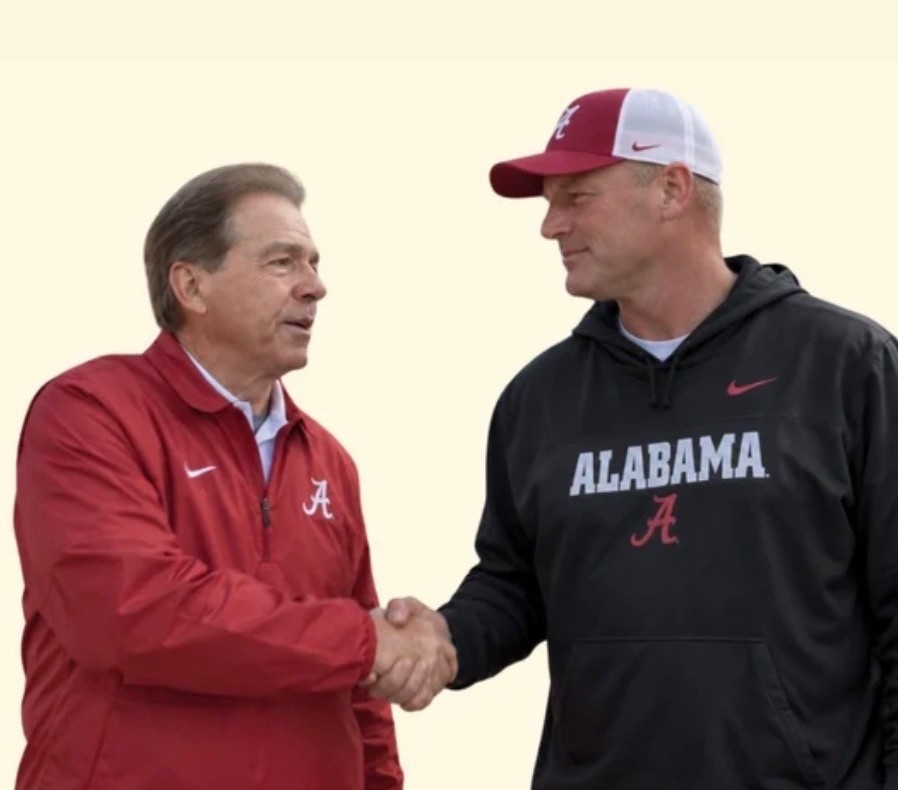
Nick Saban’s presence is still everywhere. His statue stands outside Bryant-Denny Stadium, his legacy is woven into the culture, and the expectations he established haven’t gone anywhere. Yet standing on the sideline is Kalen DeBoer, the man tasked with following one of the greatest coaches in college football history.
How do you replace someone who seems irreplaceable?
It’s a question that extends well beyond football.
A 48-hour hire isn’t the same as a succession plan
When Nick Saban announced his retirement in January 2024, Alabama named DeBoer as his successor just two days later. Think about that. Seventeen years of Saban. Six national championships. An entire program built around one of the most successful leaders in college football history. And approximately 48 hours to name his replacement.
Now, we don’t know everything that happened behind the scenes. But there’s an important distinction between being able to fill a leadership position quickly and being prepared for a successful leadership transition. Alabama didn’t try to find another Nick Saban. It went outside his coaching tree and hired an accomplished coach with a different background, leadership style and approach.
That distinction matters.
The goal of succession planning shouldn’t be to find someone who can replicate the person leaving. It should be to identify the leader your organization needs for what’s ahead.
And that’s where I see businesses get into trouble.
The comfortable choice isn’t always the right choice.
At Talent Retriever, we work with companies where some of the most important leaders have been in their roles for 15, 20 or even 30 years. The plant manager who knows every process and every employee. The operations leader who has relationships with every major customer. The founder’s right-hand person who has helped build the business from the ground up.
These people carry enormous amounts of institutional knowledge, and their contributions are often difficult to measure until they’re gone. The owner knows the day will eventually come when that person retires or decides to move on. But there’s rarely a sense of urgency to prepare. And I understand why.
Talking about succession while a respected leader is still in the seat can feel uncomfortable, even disloyal. Nobody wants someone who’s given 20 years to the company to think they’re being pushed out. So the conversation gets postponed.
Then one day, the leader gives notice. Suddenly, what should have been a thoughtful leadership decision becomes an urgent hiring problem. And the easiest solution is often to promote the person who’s worked alongside that leader for years. Sometimes that person is absolutely the right choice. But not always.
I’ve seen businesses promote someone because they know the company, understand its history and have earned the team’s respect. Six months later, the owner realizes the new leader is running things exactly the way their predecessor did.
The problem? The business doesn’t need to operate the way it did five years ago. It needs someone capable of leading it through the next five.
Knowing how someone else made decisions doesn’t necessarily mean you’re prepared to make those decisions yourself. For companies running on EOS, there’s an especially important connection here. You can have a clear organizational structure, well-defined responsibilities and strong accountability today, yet still be dangerously dependent on one individual. And when that individual leaves, the question isn’t simply who can step into the existing role. It’s whether that role, as it exists today, is even what the business will need tomorrow.
Alabama’s latest challenges make the lesson even more relevant
DeBoer’s transition hasn’t been without its challenges. His first season ended 9-4, including a stunning loss to Vanderbilt. In his second year, Alabama improved to 11-4, reached the SEC Championship Game and earned a College Football Playoff victory. In April 2026, Alabama extended his contract through 2033. This season started with five straight wins. But the recent losses to Georgia and Tennessee have brought renewed scrutiny, leaving Alabama at 5-2. And let’s not forget that Nick Saban’s first season at Alabama ended 7-6. Does that mean DeBoer is the right long-term leader? It’s too early to know. But that’s part of the lesson.
Hiring the right person and setting that person up to succeed are two different responsibilities.
A strong leader can struggle during a transition. An impressive résumé doesn’t guarantee immediate results. And an organization accustomed to doing things a certain way may have difficulty adapting to a different leadership style.
Businesses face those same challenges.
When you’ve defined what success looks like before making a hire, you have a better foundation for evaluating performance, providing support and recognizing when adjustments are necessary. When you’ve hired out of desperation, every setback can make you question whether you made the right decision.
What business owners should be doing now
Dave and I have spent more than 20 years building Talent Retriever. As our business has evolved, so have the conversations about our leadership structure, the responsibilities we each hold and what the next chapter should look like. We don’t have every answer figured out. And I can tell you firsthand that thinking about the future of something you’ve spent decades building isn’t always comfortable.
But I’ve also spent enough years working with business owners to recognize what happens when these conversations are avoided.
- The companies I’ve seen navigate leadership transitions successfully tend to do a few things differently:
They define the future of the role, not just its history. Before identifying a successor, they ask what the position needs to accomplish over the next three to five years. What new capabilities, experiences and leadership skills will the business require as it grows? - They evaluate internal talent before there’s an opening. Potential successors are given opportunities to make decisions, lead important initiatives and demonstrate capabilities beyond their current responsibilities. They don’t assume that tenure automatically equals readiness.
- They look beyond their own walls. Even when an internal successor appears likely, understanding the external talent market provides a valuable perspective. Sometimes it validates the internal choice. Other times, it exposes important gaps between the talent available and what the business actually needs.
- They build a transition plan, not just a hiring plan. They identify critical knowledge, relationships and responsibilities that need to be transferred. They establish expectations and give the next leader the support and time needed to succeed.
None of this is particularly complicated. But it does require business owners to have conversations they would often rather avoid. And that’s why so many wait.
Don’t wait until the seat is empty
Alabama was able to name a successor to Nick Saban in approximately 48 hours. But filling a position and successfully transitioning leadership are very different things. The same is true in business. You can hire a replacement in a matter of weeks. But you can’t instantly replace the judgment, relationships and institutional knowledge someone has spent decades developing. And you certainly can’t assume the next leader will succeed simply because the previous one did.
The real risk isn’t losing a great leader. It’s being unprepared when you do.
Succession planning isn’t about pushing people out before they’re ready to leave. It’s about protecting the business they’ve helped build and preparing it for the opportunities and challenges ahead. You can’t replace 20 years of experience in two weeks. But you can make sure those 20 years don’t walk out the door without a plan.
So here's my question for fellow business owners and leaders:
Who is the one person in your organization you couldn't afford to lose tomorrow, and how prepared are you for the day they decide it's time to leave?