
Blog

Blog

Watching My Daughter Play the Wrong Woman for the Role

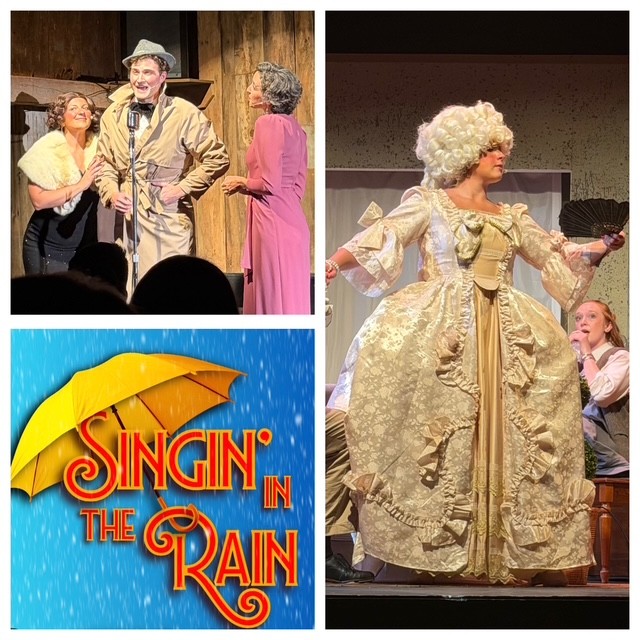
Watching My Daughter Play the Wrong Woman for the Role Last week I sat in a summer stock theater in Maine and watched my daughter Sophia play Lina Lamont in Singin’ in the Rain. If you don’t know Lina, she’s the glamorous silent-film star who looks every inch the leading lady. She has the confidence, the wardrobe, the adoring fans, and the whole studio built around her. Then sound arrives. Talking pictures change what the job is, and Lina’s voice doesn’t survive the change. Everything that made her a star stops being enough. What the studio does next is the part I keep thinking about. Instead of dealing with the problem, they hide it. They coach her. They cover for her. They rebuild the production around her limits, and eventually they hire another woman to sing and speak in her place while Lina stands in front of the curtain and moves her mouth. Onstage it’s funny. Sophia got lots of laughs. I’ve watched versions of the same thing in real companies, and there it isn’t funny at all. Here’s what I’ve learned after years of doing this work. Someone can be talented, loyal, and genuinely good at their job, and still stop being right for it. Often the person hasn’t changed at all. The job changed underneath them. A company grows, the role gets more complicated, and work that used to be about getting tasks done now asks someone to build a system, lead people, or make calls they were never responsible for before. The person who was perfect for the first version may not want the second one, or may not be built for it. That doesn’t make them a bad hire. It means the role moved and they didn’t, which is a very different problem. What I notice is that leaders rarely name it. They work around it instead. Quietly, someone else picks up the piece that isn’t getting done. The manager starts sitting in on decisions that should belong to somebody else. A new meeting gets added to make up for the fact that no one really owns the outcome. Your strongest people start carrying weight that isn’t theirs, and they feel it long before you do. On the org chart, the seat is filled. In the actual day to day, half the team is quietly singing behind the curtain. That works for a while. Then it doesn’t, and the people doing the covering are usually the first to burn out or leave. The same thing shows up when we help a company hire. A candidate walks in with the right title, the recognizable logos on the resume, and a great interview, and they look exactly like the person everyone pictured. But looking right for a job and being able to do it aren’t the same thing, and the gap between them is expensive. This is why we push back when a company hands us the last person’s job description and says just find me another one of these. That description tells you who used to sit there. It doesn’t tell you what the job needs now. So we slow down and get honest. What does this person actually have to accomplish. What decisions do they own. What does it look like six months in if this worked. Which of these requirements are real, and which ones just sound good in a posting. Without that, a company hires the best interview instead of the person who can do the work, and we’ve seen that mistake cost good companies a year. Here’s the part I loved as Sophia’s mom. Playing someone who performs badly takes real skill. The grating voice, the timing, the complete lack of self-awareness all have to be controlled on purpose. Sophia wasn’t flailing. She knew exactly what the role asked for and she delivered it, night after night. That’s what strong performance actually looks like. The person understands the assignment, has the ability, and produces the result on purpose and on repeat. It’s also, honestly, what our team looks for when we help someone hire. Not a resume that matches a list of keywords. A person who can do this job, in this company, the way it exists today, not the way it existed three years ago. The hardest version of this is the one leaders avoid the longest. Admitting that someone is no longer right for a role, when that someone helped build the company or was a star in an earlier chapter, is genuinely hard, so it gets put off. But protecting the original casting decision doesn’t protect the person. It just stretches the mismatch out and lets more people quietly absorb it. I’m not saying the answer is always to let someone go. Sometimes it’s coaching. Sometimes you redesign the role around what the person is genuinely great at. Sometimes there’s a better role for them somewhere else in the building. And sometimes, yes, it’s a harder change. The point isn’t to punish people for not bending to every new demand. It’s to stop pretending that looking the part is the same as being able to play it. Because whether you’re casting a musical or building a team, the lesson holds. Looking right might get someone on the stage. Being right for the role is what lets the whole show work.


The Candidate Experience and Your Brand_ An Overlooked EOS Issue
Blog

The Candidate Experience and Your Brand: An Overlooked EOS Issue

The Candidate Experience and Your Brand: An Overlooked EOS Issue Most companies running on EOS put real focus on the client experience. You measure it, you build Rocks around it, and you hold people accountable to it. But when it comes to the candidate experience, it often does not get the same attention. Here is the problem: every candidate you talk to, whether you hire them or not, walks away with a story about you. And bad stories travel fast. Candidates will tell colleagues, friends, and even future customers if they have been ghosted or treated poorly. Good experiences rarely spread the same way, so one bad impression can undo a lot of hard work. Why this matters for EOS companies How to strengthen the candidate experience Bottom line Candidate experience is not an HR detail. It is a leadership responsibility. If hiring is part of your Rocks and you are serious about strengthening your People Component, then how you treat candidates needs to be on the table. At your next L10, ask your team: If I applied here, would I feel respected and aligned with our values? Or would I walk away telling a different story? If you hesitate, it is time to make candidate experience part of the Issues List.

Blog

Your Company Might Be Involved in a Hiring Scam—Without Knowing It

Your Company Might Be Involved in a Hiring Scam—Without Knowing It They’ve got your logo.They’ve cloned your About page.They’re pretending to hire on your behalf. Scammers are creating duplicate versions of real company websites to lure job seekers into a fake hiring process—and it’s working. These fraudsters build credibility through phony interviews, then seal the deal with a fake offer letter. What comes next?They ask for sensitive personal information under the guise of “onboarding.” How the Scam Works By the time the candidate realizes it’s a scam, they’ve already handed over everything. How to Protect Your Brand – and Your Applicants Claim your digital territoryBuy common variations of your website domain—like .net, .co, or common misspellings—to prevent scammers from using them to impersonate your company online. Stay alertSet up Google Alerts to get notified if your company name appears online in phrases like “job offer from (Your Company)” or “careers at (Your Company])” This way, if someone posts a fake job or creates a phishing site with your name, you’ll get notified and can take action. Add a Clear Careers DisclaimerLet candidates know that all hiring communication will come from your official domain (e.g., @yourcompany.com) and that you never request sensitive information until after verified employment begins. Proactively Warn ApplicantsInclude a short note in job postings and auto-replies: “We’ve been made aware of fraudulent job offers claiming to be from our company. All legitimate communication will come from [your domain], and we will never request personal financial information as part of the interview process.” In a competitive hiring market, your candidate experience starts long before the first interview. Taking simple steps to protect job seekers from scams isn’t just good cybersecurity—it’s good leadership.

thumbs-up
Blog

The Role of the Visionary in Hiring: Influence, Not Execution

The Role of the Visionary in Hiring: Influence, Not Execution In most EOS companies, the Visionary has a powerful presence – and for good reason. They’re the heart of the organization’s big-picture thinking, culture, and future direction. But when a critical seat needs to be filled, many Visionaries want to jump right into the process — writing job descriptions, scanning through resumes, and even interviewing early-stage candidates. It comes from a good place – they care deeply about the team. But here’s the catch: Hiring is one area where the Visionary’s influence is critical, but direct involvement can slow things down. Visionaries move fast, think out loud, and connect dots instinctively. That energy fuels growth—but in a hiring process, it can create friction. Here’s how it often plays out: Even with the best intentions, Visionaries can unintentionally create chaos when they insert themselves at the wrong moment. And meanwhile, their focus is pulled away from the things only they can do. So what’s the right level of involvement? Here’s how Visionaries can stay plugged in – without taking over: When Visionaries show up with focus rather than force, the whole process moves faster and lands stronger hires. When that input is intentional and well-timed, it elevates the team’s thinking and sharpens the decisions that follow.

Blog

Some Days You’re the Dog, Some Days You’re the Hydrant: Why Both Matter on the EOS Journey

Some Days You’re the Dog, Some Days You’re the Hydrant: Why Both Matter on the EOS Journey By an EOS Integrator in the Trenches Let’s be real: some days as an Integrator, I feel like the dog. I’m moving things forward, knocking out Issues, aligning the team, and driving toward the Vision. But other days? I’m definitely the hydrant. On those days, it seems like everything is breaking down at once — a missed number, a process that’s gone off the rails, a people issue that feels personal. You show up, and instead of barking orders, you’re getting hit from every angle. Sound familiar? Here’s what I’ve learned: both types of days are part of the job — and both are necessary. Hydrant Days Are Feedback EOS gives us the tools to spot and solve problems early, but the hard days are often where the real lessons live. When the wheels wobble, it reveals what still needs strengthening. Process gaps. Communication breakdowns. A Right Person/Right Seat mismatch. It’s not failure — it’s feedback. EOS gives us a framework to channel that feedback into action, not frustration. You Don’t Have to Be the Hero Every Day As Integrators, we’re often the glue, the drivers, the calm in the storm. But that doesn’t mean we always have to have the answers. There are days when just being engaged and open is more powerful than having all the answers. Trust the tools. Use the L10. Drop down into IDS. Let the system do its job. You don’t have to carry the whole load. Celebrate the Dog Days, Learn from the Hydrant Ones Success isn’t built on a string of perfect weeks. It’s built on showing up consistently — staying the course when it’s messy, and pulling the team together when the gears grind. And when the good days roll in? Celebrate. Recognize the wins. Give yourself credit for building the muscle that got you there. Keep Perspective The best part of EOS is that it’s not about perfection — it’s about progress. And progress happens when we keep showing up, whether we’re the dog or the hydrant that day. The great news? You’re not doing this alone. You’ve got the Visionary, the Accountability Chart, the L10s, the Rocks, and a playbook for handling it all. Next time you’re feeling more hydrant than hero, take a deep breath. You’re still exactly where you need to be — in the driver’s seat of meaningful progress.

Blog

Get Ready for the Class of 2025: Unlocking the Potential of New Grads

Get Ready for the Class of 2025: Unlocking the Potential of New Grads As graduation season approaches, employers should turn their attention to the incoming Class of 2025. Shaped by remote learning, shifting schedules and social distancing, these recent graduates are resilient, resourceful and ready to make an impact. Ask about pandemic-era learning – How did you adapt when classes went online? – What tools or techniques kept you organized and motivated?These questions reveal candidates’ comfort with change, time-management skills and positive mindset under pressure. Assess resilience – Describe a setback you faced in college and how you recovered. – What did that experience teach you about overcoming obstacles?Look for composure under stress, creative problem-solving and lessons learned. Explore passion projects – Tell me about an extracurricular or side project you led. – What drove you to start it, and how did you handle challenges? Beyond GPA, these stories highlight initiative, creativity and real-world application. Gauge cultural fit – Which core values guided you through college? – How would you bring those values to our team? Ensuring alignment on mission and values builds engagement and collaboration. Unlocking—and Supporting—their Potential Class of 2025 grads bring fresh perspectives, digital fluency and a make-it-work attitude forged by unpredictable circumstances. They’re often eager to learn and contribute, and—facing a tight job market—they tend to show strong loyalty once they land that first role. Hiring them can be a cost-effective way to build a dynamic talent pipeline. That said, remember they’re early in their careers. You’ll want to pair them with mentors and allow a bit of ramp-up time for industry-specific skills and processes. Framing their onboarding around hands-on coaching and clear feedback loops will help them move from “new grad” to high performer more quickly—turning potential into real impact. Graduates of 2025 combine adaptability with a willingness to prove themselves. By tailoring your interview questions to their unique experiences—and planning for the guidance they’ll need—you’ll identify candidates who not only adapt but thrive, driving innovation and growth for your team. Let’s welcome the Class of 2025 and set them (and your company) up for success!

© 2026 Talent Retriever | All Rights Reserved | Privacy policy

Scroll to Top